Our Blog
FIND THE LATEST FROM MEDIPEOPLE
Welcome to the Medipeople Blog! This is where you find all our current news articles. Learn where the highest paid doctor positions are to be found, sharpen your phone interview skills or read stories from other doctors who have made bold moves in their careers!

Locum Doctors: An Expensive Problem - or a Measurably Better Value?
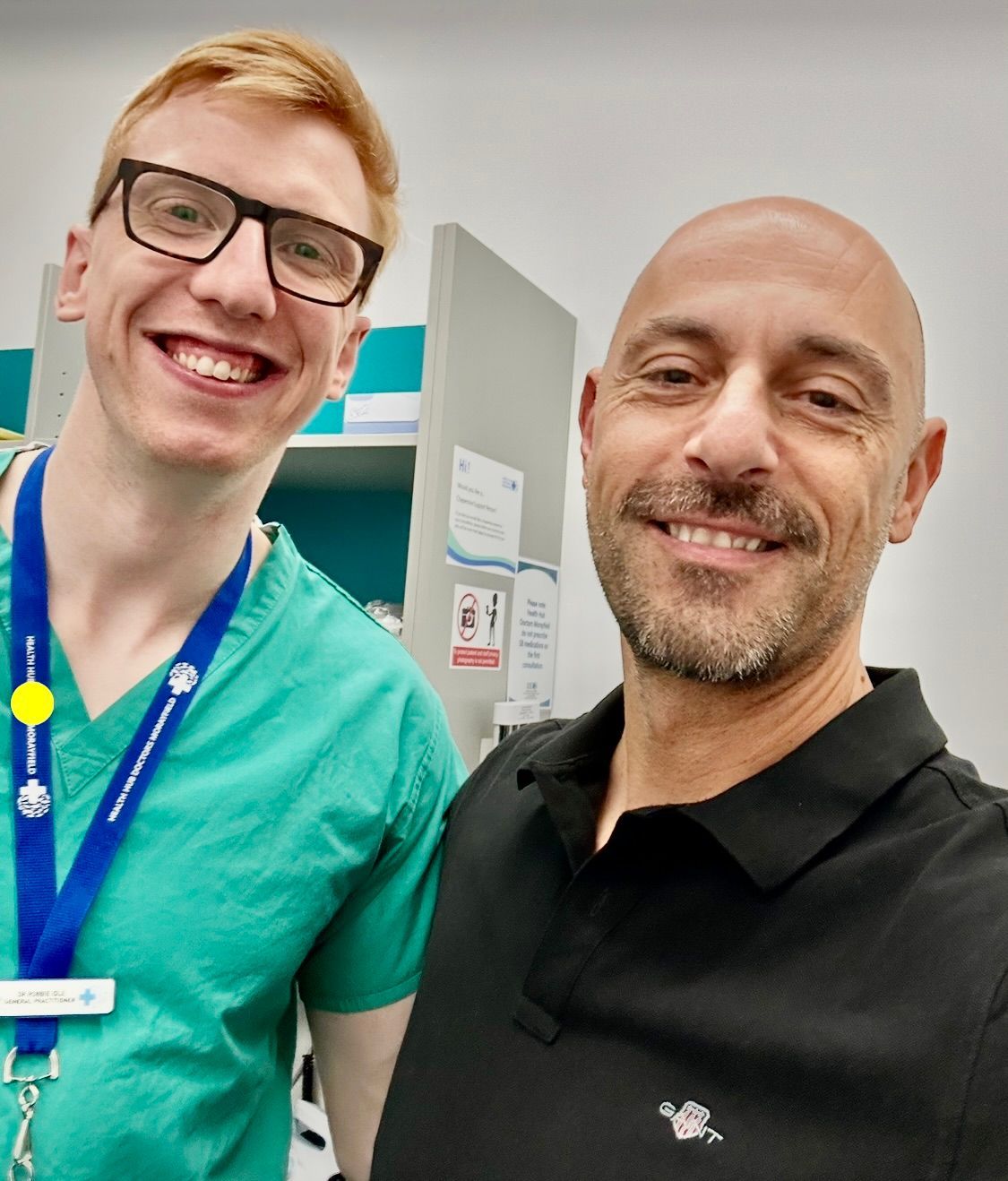
Every so often, a placement stands out, not because it was the easiest, but because it marked a turning point in how we support GPs moving to Australia. Dr Idle’s journey from Scotland to Brisbane is one of those stories. When I first connected with him, the AHPRA Expedited Specialist Pathway was in the works but hadn’t officially started. He had initially submitted his RACGP Specialist Assessment, and then, the new pathway was announced, promising a much faster, cleaner route for UK GPs with CCT + MRCGP. We moved quickly, transferring his RACGP application and switching him over to the ESP to speed up his application. He became one of the very first GPs to go through this new process. And while the pathway itself was designed to be “expedited,” the reality of being first through the door was… interesting. There were delays, long pauses, and moments where we clearly saw AHPRA navigating a new internal process while dealing with a high influx of applications. Nothing moved clean or in a way we had expected. Because we corresponded directly with AHPRA daily, we were able to follow up, clarifying requirements, escalating where appropriate, and making sure nothing slipped through the cracks while the system caught up with itself. Eventually, after what felt like a marathon for everyone involved, Dr Idle was officially registered, visa approved, and on a plane to Australia. Today, he’s thriving in an exceptional practice, fully settled, and building exactly the future he hoped for when he first reached out from Scotland. It’s been almost two years now, and we’re still in touch, not just for professional updates but to support him as needed. Our support continues long after a doctor starts their new role. Relocating your entire life to the other side of the world is a huge step, and whether it’s career progression, financial, schooling, community, or simply a friendly chat, we’re here for it. And personally, even after twenty years in GP recruitment, it still gives me genuine joy when I finally meet a doctor in person after months of online correspondence and guiding them through the maze of registration, visas, logistics, and relocation. Seeing them happy, settled, and thriving is why I still love what I do. Since then, we’ve guided many more doctors through the Expedited Specialist Pathway. It has become smoother and more predictable than when it first launched. With the right guidance and careful preparation, most of the early delays can now be avoided. Dr Idle’s journey from Scotland to Brisbane wasn’t perfect or straightforward, but it was meaningful. It marked the beginning of a new chapter for how international GPs come to Australia, and I’m proud we helped him navigate it before the pathway had even found its rhythm. If you're a UK GP considering the move, I’m always happy to talk through the process and help you understand whether it’s the right next step for you. With the right guidance, the transition truly can be life-changing, just as it was for Dr Idle.

Across Australia, general practice is changing fast and so are the pressures on GPs. From increasing patient complexity to stagnant funding, many doctors are questioning whether their current practice truly supports the kind of medicine they want to provide. The Realities GPs Are Facing in 2026 Rising complexity, less time to care Recent RACGP data shows that over two-thirds of GPs are managing more complex, multi-condition cases than ever before. Many are spending longer with patients but without adequate remuneration or support. Funding that hasn’t kept pace Despite government incentives, Medicare rebates and practice funding haven’t matched the true cost of quality care. Practices are being forced to choose between bulk billing and financial sustainability, and GPs are feeling the strain. Administrative overload and burnout The non-clinical workload has ballooned. From compliance and care plans to IT and communication gaps, it’s no surprise that one in three GPs say they may leave practice within five years. Searching for better balance Most GPs still love what they do but want better systems, better support, and more time for patients. They’re looking for practices that align with their values: professionalism, autonomy, and patient-centred care. What a Better Opportunity Really Means If you’re a GP currently feeling these pressures, the solution might not be “more or less of the same” it might be finding a practice managed differently. Clinics that focus on quality over quantity, with: Busy, well-established clinics Special interest patient flow Strong nursing and management support Billing models that support growth Flexible work options Professional autonomy “Sometimes a fresh start can be life-changing for the better” Medipeople has been helping GPs find fulfilling roles across Australia for over 20 years, matching doctors with practices that fit their values, lifestyle, and professional goals. click here to learn more

Medipeople is proud to have been shortlisted for the Best Back Office Team at the 2025 APSCo Awards for Excellence!

Manchester to the Blue Mountains: A UK GP’s Journey to Australia It’s such a privilege to help UK-trained GPs take the leap and build a new life and career in Australia. One of those GPs is Dr Bilikis, who we recently placed in a top medical practice at the stunning Blue Mountains, New South Wales. I asked her to share her journey — from why she decided to move, to the challenges she faced, and what life is like now. Her reflections offer invaluable insights for other GPs considering the same path. Why Australia? “I trained in the UK and worked there for two years before moving to Australia in May 2025. I wanted to work in a less urban environment, somewhere with a patient demographic that felt more at peace with me. I’ve always loved mountain surroundings — even just the view travelling to and from work in Katoomba gives a calming effect. The top reasons I considered Australia were: To move away from a stressful work environment without needing to sit further GP exams. To enjoy a warmer climate for most of the year. To have more autonomy in my daily work schedule.” Concerns Before the Move? “Of course, I had concerns: Cultural diversity and whether I’d find a community I connected with. Availability of local/cultural food. Access to mosques and places of worship. Take-home pay after tax. Whether patients would like me based on my ethnicity and religion.” Registration and Visa “I went through the AHPRA’s Expedited Specialist Pathway. It took me about six months to gather all the documents for conditional specialist registration with AHPRA and board approval. Then another month and a half to complete the documents for my visa and secure a subclass 482 visa.” Support Along the Way “The Medical Centre was fantastic. They provided four weeks of temporary guest house accommodation and even gave me a supporting letter when I needed to rent a permanent place. They also helped with school options for my daughter, transport advice, and relocation allowance. Medipeople’s Director, Chris, guided me from start to finish — giving me an overview of different clinic options, setting up meetings with clinic staff so I could ask questions, and walking me step by step through the AHPRA and visa processes. Chris also connected me with a migration agent and was always available, even at odd hours, to answer my questions. I was never rushed or pressured into making decisions. The support was professional, patient, and personal — I would recommend Medipeople to anyone considering a move to Australia.” Final Thoughts For Bilikis, moving to Australia wasn’t just about a change in workplace — it was about finding the right lifestyle, community, and balance. Her story is a reminder that while the process can be detailed and at times challenging, the outcome is worth it: a rewarding GP role in one of the most scenic locations in Australia, with the right support every step of the way. Thinking about making the move? If you’re a UK-trained GP interested in exploring opportunities in Australia, reach out to our team at Medipeople. We’ll guide you through the registration process, connect you with the best clinics that suit your lifestyle and career goals, and support you every step of the way. Reach out to Chris Tsolakis at [email protected] to learn more.

The demand for General Practitioners with Emergency Medicine (ED) experience has never been higher in Australia’s rural and regional hospitals. Increasingly, GPs are taking up roles as FIFO (fly-in fly-out) doctors attracted by the mix of high income, flexible rosters, and rewarding clinical variety . If you’ve ever wondered why so many GPs are choosing FIFO work, here are the main reasons - current opportunities in New South Wales (NSW) , Queensland (QLD), and Tasmania (TAS) . High Income Potential For GPs with ED skills, FIFO GP/VMO roles offer some of the best financial rewards in the market: 65% - 70% of billings On-call payments $2,000 - $2500 per shift (location dependent) Sign-on bonuses for certain categories of Visiting Medical Officers MMM5–MMM7 incentives that boost Medicare billing opportunities Compared to metro practice, this often translates into a significantly higher income , with the added bonus of reduced living costs while on assignment. Lifestyle Flexibility FIFO arrangements allow GPs to design a roster that fits their lifestyle . All travel costs covered for FIFO work Housing and car provided while on placement On-call rotations range from 1:2, 1:3, etc Options to balance blocks of intensive clinical work with time off back home For many doctors, this means enjoying the best of both worlds : maintaining family life or metro living, while also contributing to rural communities. Clinical Variety & Professional Growth Working as a FIFO GP/VMO means managing a wide scope of practice : Emergency presentations ranging from trauma and cardiac cases to paediatrics Continuity of care through general practice clinics Significant clinical autonomy in very well supported departments Exposure to presentations rarely seen in urban environments This is especially appealing to GPs with ED experience, who want to keep their acute skills sharp while maintaining broad generalist practice. Community Impact For rural and regional hospitals, FIFO doctors are a lifeline. Communities in NSW, QLD, and TAS rely on dedicated GPs and VMOs to ensure continuity of care. By working FIFO, doctors not only gain professional and financial benefits but also make a tangible difference in underserved communities . General Offering (Higher Rates Available) 65% - 70% of billings On-call payments $2,000 - $2,500 (location dependant) Free housing and car + travel costs covered FIFO flexibility (e.g. Ongoing 2:2, 3:2, and contract blocks available) Is FIFO Work Right for You? This opportunity suits GPs who: Have Emergency Medicine experience Want a high income with flexibility Value variety and autonomy in clinical practice Are keen to contribute meaningfully to rural health More and more General Practitioners are working as FIFO doctors because it provides the perfect balance of income, lifestyle, and impact . With strong financial incentives, professional growth, and the chance to make a real difference in rural communities, FIFO work has become one of the most attractive career options for GPs in Australia. Enquire today to learn more about our current FIFO GP/VMO Opportunities!

Why More UK GPs Are Choosing the Australian Lifestyle What happens when years of burnout, bureaucracy, and backlogs push even the most dedicated NHS doctors to seek something different? For an increasing number of UK-trained General Practitioners, the answer is clear: Australia. From Melbourne to Brisbane, Adelaide to Perth, the Land Down Under has become a magnet for GPs looking to restore balance, rediscover job satisfaction, and reclaim the lifestyle they envisioned when they first chose medicine. But what’s really driving this shift? Escape the Red Tape, Reignite the Passion In the NHS, it’s not uncommon for GPs to spend hours each day chasing referrals, ticking boxes, and wrestling with clunky IT systems. In contrast, Australia’s Medicare-based system, while not perfect, is far more streamlined. GPs here enjoy greater clinical autonomy, less paperwork, and more time for actual patient care. Higher Earnings with Less Financial Stress A UK GP typically earns between £80,000–£120,000 per year. In Australia, many GPs earn AUD $300,000–$400,000+ annually, with lower tax pressure and no pension clawbacks. Bulk billing and mixed billing models allow for transparent, predictable income, especially attractive to GPs exhausted by NHS contracts and QOF targets. Work-Life Balance Isn’t Just Talk — It’s Real GPs in Australia routinely work four to five days per week, with 15-to-20-minute consults and time set aside for breaks and admin. With most clinics closed on weekends, you get your life back. Want to surf before clinic? Hike after work? Pick up the kids from school? Here, you actually can. Sunshine, Space, and Safety for Families One of the biggest lifestyle draws is the environment. Whether it's family-friendly suburbs in Perth, the cosmopolitan buzz of Melbourne, or the coastal calm of Queensland, Australia offers clean, safe, and spacious communities with top-tier schools and outdoor living. It’s not just a career move; it’s a lifestyle upgrade. Professional Respect and Career Development Australian clinics are often doctor-owned or corporate-run with a strong focus on GP support, mentorship, and continual development. Many offer relocation assistance, flexible working arrangements, and leadership opportunities. Your work is valued, not buried in bureaucracy. A Growing Community of UK Expats There’s comfort in numbers. Hundreds of UK-trained GPs have already made the leap, meaning you’re rarely alone. Peer support networks, social groups, and British communities are present in many major cities and regional hubs. Pathways Made Easier Than You Think Thanks to AHPRA's Expedited Specialist Pathway, the transition is smoother than ever. With the right guidance, UK GPs can be seeing patients in as little as 4–6 months from starting the process. Final Thoughts If you find yourself wondering whether the NHS grind is worth it, know that a different way is possible. Life after the NHS doesn’t have to mean leaving medicine; just finding the version that inspires you. Ready to explore your options? Let’s start with a confidential conversation. Click here to book a discovery call with our International GP recruitment team Or email [email protected] to request our free GP Registration and Relocation Guide.

Background: What AHPRA Promised AHPRA introduced the Expedited Specialist Pathway (ESP) on 21 October 2024, aimed at specialist international medical graduates (SIMGs) from jurisdictions with comparable training systems—initially focusing on General Practitioners (GPs), with anaesthesia, psychiatry, and obstetrics & gynaecology added by December 2024 ( ahpra.gov.au ). It was marketed as a faster alternative to traditional specialist pathways, aiming for: Application assessment in 4–6 weeks Full registration and practice commencement within 4–6 months Lower costs, less duplication, and a streamlined process But has it delivered? Where It’s Falling Short 1. Fewer Doctors Registered Than Expected As of May 2025, just 127 SIMGs had been registered under the pathway—out of 251 applications received. This includes: 125 GPs 1 anaesthetist 1 psychiatrist This implies that roughly 50% of applicants are still waiting for registration—a significant lag behind expectations. ( RACGP NewsGP ) 2. Documentation & Verification Delays While the promise was quick turnaround after submitting a "complete" application, in practice, many applications remain incomplete for weeks or months due to documentation issues. One major hurdle is: AHPRA requesting further evidence of training, particularly when the doctor's basic training was partially completed outside the UK. This training may not be recorded on the General Medical Council (GMC) certificate, forcing doctors to go back and retrieve transcripts or evidence from countries where: English is not the first language Medical documentation standards differ Institutions may be unresponsive or slow As a result, applicants can face significant delays even before the official 4–6-week processing window begins. 3. Delays in Supervision Planning & Job Approval Another common stumbling block is securing an approved supervised practice role. AHPRA requires a compliant job offer, nominated supervisor, and a formal supervision plan, all approved before registration is granted. But in many regions, especially rural or public health settings, employers are unfamiliar with the process or slow to provide the required paperwork. This adds further delays, pushing registration well beyond the ideal 6-month window. 4. Concerns from Medical Colleges The ESP has also drawn criticism from major Australian medical colleges: RACGP, ANZCA, and others have voiced concerns about the lack of Fellowship requirements, warning that doctors may enter practice without comprehensive assessment of their skills or familiarity with Australian health systems. Some have even called for the program to be paused, citing risks to patient safety and doctor support. These concerns have led to confusion among SIMGs, many of whom are unsure whether to proceed via the new ESP or the traditional college pathway. Summary: A Mixed Picture What Was Promised What’s Happening in Practice 4–6 week processing Often delayed due to incomplete applications and document requests 4–6 month full registration 50%+ of applicants still waiting after 6 months Lower cost, less red tape True, but at the cost of reduced oversight from medical colleges Simpler documentation Delays occur when training outside the UK isn’t listed on GMC docs Job + supervision plan approval assumed fast In reality, this step can take weeks to months Final Thoughts The Expedited Specialist Pathway has opened new doors for international doctors, but its rollout hasn’t lived up to the speed and simplicity it promised. Key takeaways: Registration delays often stem from missing training evidence, especially for doctors with multi-country education histories. Workplace and supervision plan approvals are a major chokepoint. Medical colleges’ concerns may shape the future of the pathway. For SIMGs, the key is to start early, anticipate delays, and ensure that training evidence from all countries is available and translated, even if not explicitly listed by the GMC.

Thank You, Gold Coast !